- ISCOWP E-newsletters
Balabhadra Das (William E. Dove), president and cofounder of the International Society for Cow Protection (ISCOWP), passed away pe...

Feeding cows is a form of seva (selfless service) that builds good karma. Feeding cows cleanses negative energies, reduces past-life karmic debts, and attracts blessings from the divine. While the practice is deeply rooted in Indian culture, the universal values of kindness and compassion it embodies resonate globally. Feeding animals, especially cows, fosters a sense of connection with nature and reminds us of our responsibility as caretakers of the earth and its creatures. Times of India
The Feed the Cows Campaign is now underway because the cows ate the remaining hay earlier this year than in previous years due to a lack of grass from the drought. Fortunately, it’s raining now, and the grass is growing. The other reason is the possibility that hay will be harder to find and cost more in the near future due to the ongoing Hormuz Strait crisis and the predicted Super El Niño. You can read more details below. Given these facts, we wish to stockpile hay now for the remainder of this year and the beginning of 2027.
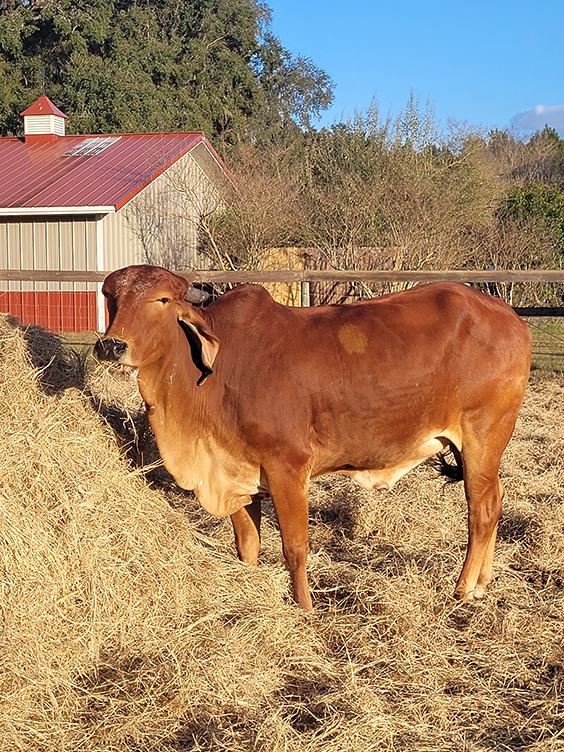
It takes about 250 bales of hay at $18,750 to feed the ISCOWP herd of 23 cows for one year. Each hay bale weighs approximately 800 pounds, costs $75 a bale, and will feed the ISCOWP herd for one day. To facilitate securing enough hay timely, an anonymous ISCOWP supporter will match up to $25,000!
You can help purchase hay for the ISCOWP herd for a day, a week, or a month.
One bale costs $75.
$75 to feed the herd of 23 cows for a day
$525 to feed the herd of 23 cows for a week
$2,100 to feed the cows for a month
Please follow this link to donate. We will be providing milestone updates for the Feed the Cows Campaign on the donate page and in upcoming e-newsletters. Thank you!
The Hormuz crisis has led to fertilizer shortages, which will reduce crop yields this growing season and next. About 30% of the world’s fertilizer, vital for global agricultural production, passes through the Strait of Hormuz, which was blockaded for over 100 days during the crucial planting season. Data from the World Trade Organization shows that since the conflict began, outbound shipments of fertilizer-related products via the waterway have collapsed.
The subsequent surge in fuel and fertilizer prices has already hit farmers, raising the cost of running tractors, pumping water, and nurturing crops. Some have responded by planting less or curbing their fertilizer use, which will reduce yields. Others will increase their prices.
The Hormuz Strait opened on June 17 in an agreement between Iran and the United States. However, damage has already been done to the first growing season. The Hormuz Strait cannot immediately return to normal traffic as before the Iran war. Thus, the second growing season is most likely affected as well. “Mine clearance, high insurance costs, logistical bottlenecks, and unresolved administrative/security arrangements mean the strait will likely operate at reduced capacity for months, with full recovery dependent on coordinated international action and sustained political stability.” Maritime.
“Against this backdrop of economic upheaval, the National Oceanic and Atmospheric Administration announced Thursday that El Niño conditions have officially developed in the eastern Pacific. The U.S. agency’s forecast predicts a 63 percent chance that the event will be “very strong” by winter, and other outlooks have suggested it could break records. It is occurring amid dramatically higher global temperatures fueled by human greenhouse gas pollution, which can make its effects more extreme.
If fuel and fertilizer prices remain high, farmers may plant less, apply less fertilizer, or struggle to move food where it’s needed, exacerbating food insecurity. A potentially historic El Niño would layer drought, heat, or flooding risks onto an already fragile system, increasing the likelihood that high costs turn into real food shortages.” Washington Post
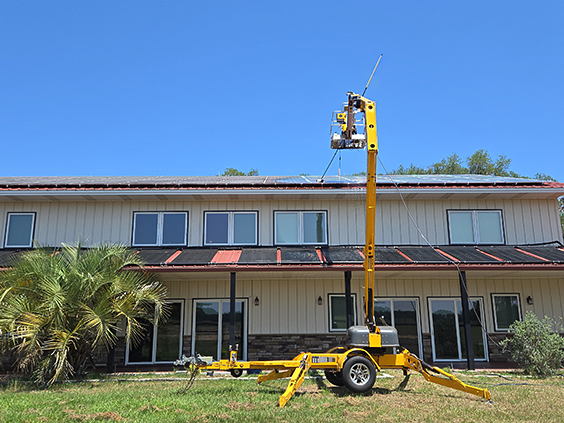
The hot, sunny Florida weather provides ISCOWP with all the electricity needed to run the sanctuary, thanks to the solar panels on our main building. We receive a check from our local electrical company every winter for the extra power our panels generated but did not need to use.