- ISCOWP E-newsletters
Good news! You have completed the $18,750 Feed the Cows Campaign and the $25,000 Matching Gift Challenge! Thank you, everyone! Eve...

Good news! You have completed the $18,750 Feed the Cows Campaign and the $25,000 Matching Gift Challenge! Thank you, everyone! Everyone should know that, for tax year 2026, the IRS is allowing people who do not itemize to contribute up to $2000 tax exempt! Please donate here. Thank you!
The last load of winter hay was delivered, and the barn is now full! What a good feeling! Thank you!
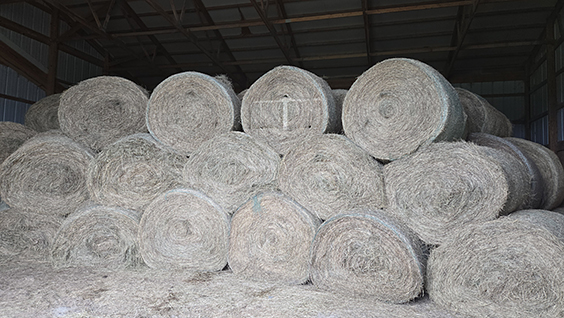
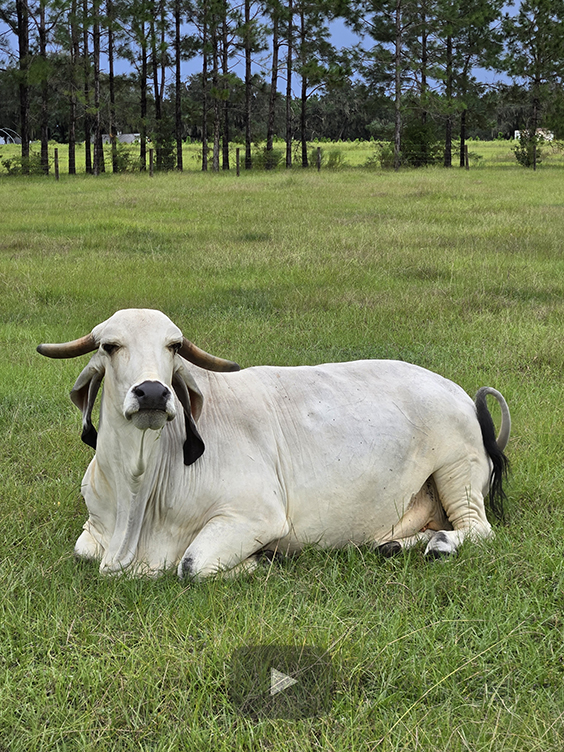
The cows still have plenty of green grass to eat. We have gone from severe to moderate drought, according to the US Drought Monitor, which predicts we will move out of drought conditions this month.
Cows and egrets (specifically cattle egrets, Ardea ibis) form a mutualistic relationship in which egrets feed on insects and ticks that cattle stir up or carry, benefiting both species. Cattle egrets are small white herons that commonly follow cows and other large grazing mammals. They take advantage of insects, frogs, and small vertebrates flushed from vegetation as cattle move. This behavior is well documented across continents.
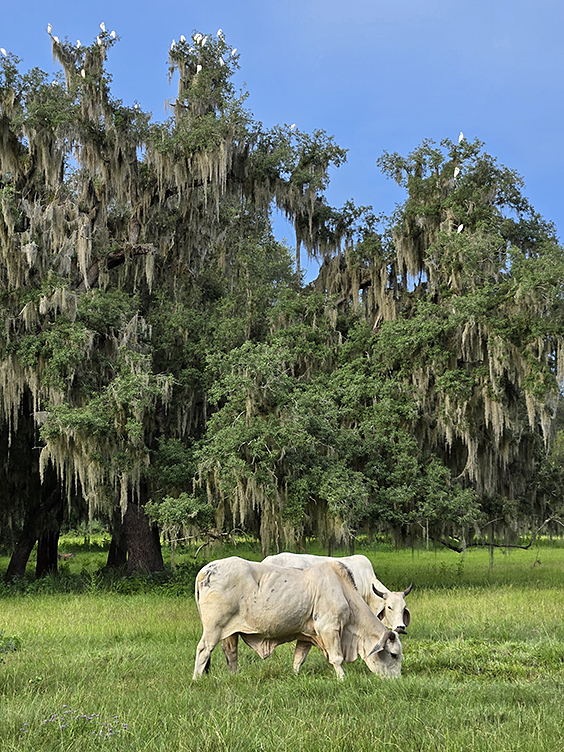
The relationship benefits the egrets by giving them easy access to prey such as grasshoppers, flies, ticks, and small vertebrates. Thus, they spend less energy searching for food because cattle disturb insects as they walk. The relationship is beneficial for the cows because Egrets remove ticks and flies directly from their bodies, reducing irritation and parasite load.
Egrets are often seen walking near cows’ feet or perched on their backs. This cow–egret partnership is one of the most recognizable examples of mutualism between birds and mammals.
Did you know that cows are actually social butterflies with a very specific inner circle of friends? Research from the University of Northampton has confirmed that cows have “best friends” and become visibly stressed when they are separated. It is not just about being in a herd; it is about that one special companion they trust the most.
When cows are hanging out with their preferred partners, their heart rates significantly decrease, indicating a much higher level of comfort and relaxation. This social bonding is crucial for their mental well-being and overall health. Can you imagine the anxiety of being pulled away from your favorite person? That is exactly what these sensitive animals feel daily (in the meat and dairy industries).
This emotional depth is one of the most heartwarming facts about cows that scientists have documented in recent years. They form long-term bonds that can last for many seasons. Watching a pair of cow best friends grooming each other is a testament to their gentle and nurturing nature. They can use their rough tongues to lick the hard-to-reach spots on their friends, reinforcing their social bond.
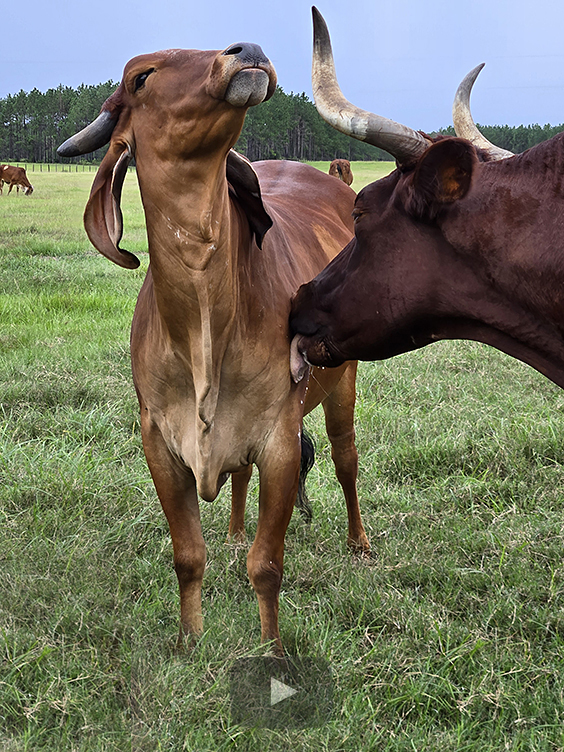
Beyond just having besties, cows also harbor long-term grudges against those who treat them poorly or act aggressively within the herd. If a particular cow is a bit of a bully, the others will remember and actively avoid them. They have a sophisticated social memory that allows them to navigate complex relationships within their large groups.
This memory extends to humans as well, as they can recognize faces they haven’t seen in years. If you are kind to a cow, she will remember your face and your voice with surprising clarity. She will also lick you to show you she loves you.
When a cow licks a human companion, it signals that the cow sees that person as a member of her social group rather than a threat or outsider. Licking is the bovine way of demonstrating acceptance and connection. So the next time a cow reaches out to lick you, she’s not just tasting the salt on your skin or investigating an unusual scent. It’s actually her way of saying “I know you, I trust you, and I care about you too.” Pretty amazing from an animal most people write off as just a mindless milk machine!
These facts about cows highlight a level of empathy and social structure that is truly beautiful to witness. Fact Wonders, Berry Patch Farms